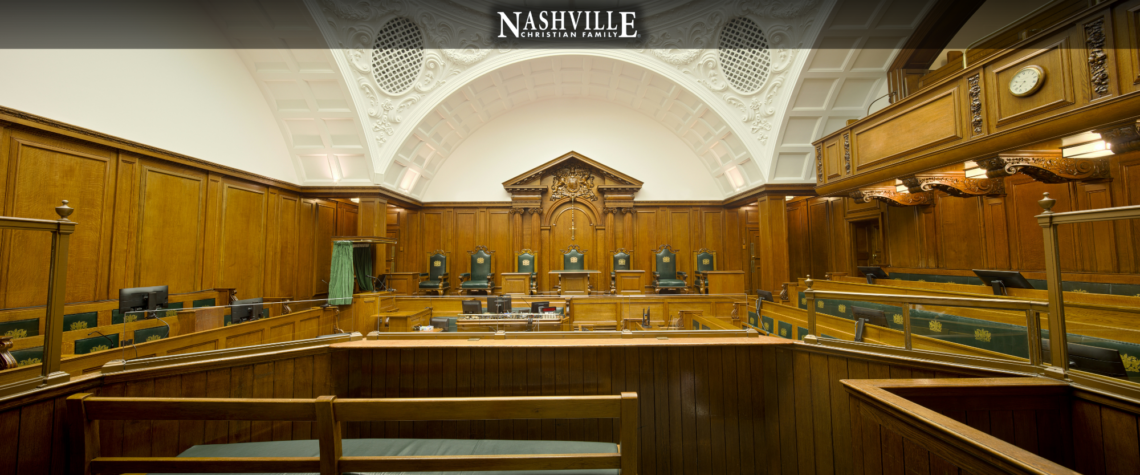
Law and Order, Lincoln Lawyer, The Good Wife, Goliath. These are but a few of the Hollywood legal hits that have topped the charts recently. Since the advent of television, viewers have been enthralled with such favorites as Perry Mason, Matlock, L.A. Law, Boston Legal, and the list goes on. Legal thrillers dominate the movie scene as well. To Kill A Mockingbird, Inherit the Wind, 12 Angry Men, and Witness for the Prosecution are just a few black and whites still making the rounds today. Have you ever stopped to consider why legal dramas are so incredibly popular? What is it about courtroom intrigue that draws viewing audiences back time and again?
The courtroom setting provides a natural, high-stakes narrative. Our adversary system of justice is a classic setting for high drama because it pits two opposing sides against each other in a battle of wits, mirroring classic dramatic tension while addressing universal themes of morality, justice, and the fight for the innocent and the underdog. And the interplay between the law and theatre has been a fertile area for playwrights dating back centuries. Shakespeare’s The Merchant of Venice is the definitive legal play. It features a famous courtroom trial where Shylock attempts to enforce a contract for a “pound of flesh”. The play wrestles with the tension between the letter of the law, strict civil justice, and the plea for mercy. Alexandre Dumas’ Les Miserables is a masterful story of the tension between the law’s demand for justice and a desperate cry for mercy.
As a young trial lawyer, I recall being asked to fill in for a time as Night Court Judge. The police brought in case after case of accused individuals whom they had arrested on charges that covered the full gamut of criminal offenses. I still recall that there was an ample audience of onlookers who made it their regular, free entertainment on Friday nights to come to Night Court just to watch the drama unfold.
Whether it is a compelling criminal trial or a high stakes civil lawsuit, there is something singular and distinct about the law. Some believe it is because the law has the sting of penalty and the power of condemnation – even to the point of life or death. But the law is more than that. It is symbolic of a higher ideal that we, as sinners in our human frailty strive to reach. Perhaps Paul Newman summed it up best in his closing jury argument in one of my personal favorites, The Verdict:
“Please, God, tell us what is right. Tell us what is true.” I mean there is no justice. The rich win; the poor are powerless. We become tired of hearing people lie. And after a time, we become dead, a little dead. We think of ourselves as victims — and we become victims. We become weak; we doubt ourselves; we doubt our beliefs; we doubt our institutions; and we doubt the law. But today you are the law. You are the law, not some book, not the lawyers, not a marble statue, or the trappings of the court. See, those are just symbols of our desire to be just. They are, in fact, a prayer. I mean, a fervent and a frightened prayer.
In my religion, they say, “Act as if you had faith; faith will be given to you.” If we are to have faith in justice we need only to believe in ourselves and act with justice. See, I believe there is justice in our hearts.
Legal thrillers today have matured beyond the courtroom confessions in Perry Mason.
While courtroom scenes still dominate the genre, today’s movies increasingly explore psychology, justice, institutional failure and moral ambivalence. In short, legal drama is the drama of life.
As a lawyer, I often see people at their lowest point and burdened by seemingly insurmountable legal challenges. It is a remarkable opportunity to share with them about the Law-Giver who is able to walk them through this valley in their life and cover them in His grace and mercy.
—Larry L. Crain
www.crainlaw.legal